Better Bathing, Dressing, and Dining: ADL Assistance in Small Elderly Care Houses
Business Name: BeeHive Homes of Taylor Ranch
Address: 6004 Whiteman Dr NW, Albuquerque, NM 87120
Phone: (505) 302-1919
BeeHive Homes of Taylor Ranch
At BeeHive Homes of Taylor Ranch, New Mexico, we offer the finest assisted living experience available in a cozy, comfortable homelike setting. Each of our residents has their own spacious room with an ADA approved bathroom and shower. We prepare and serve delicious home-cooked meals three times a day every day. We maintain a small, friendly elderly care community. We provide regular activities that our residents find fun and contribute to their health and well-being. Our staff is attentive and caring and provides assistance with daily activities to our senior living residents in a loving and respectful manner. We would like to invite you to tour and experience our assisted living home and feel the difference.
6004 Whiteman Dr NW, Albuquerque, NM 87120
Business Hours
Clever technology and stylish decoration might impress on a tour, but long term comfort in assisted living or a small residential care home comes down to something more standard: how well personnel assistance bathing, dressing, and dining every single day.
These are not attractive jobs. They are repetitive, intimate, and often unpleasant. When they are done well, they disappear into the background and an older adult feels simply like themselves. When they are rushed or mishandled, you see the fallout quickly: weight-loss, skin problems, urinary infections, withdrawal, agitation, or simply a quiet loss of confidence.
Small elderly care homes, in some cases called residential care homes, board and care, or household care homes depending on the state, can be specifically well matched to support Activities of Daily Living (ADLs). The scale is smaller, routines are more versatile, and staff frequently know each resident as a person, not as a space number. That stated, quality differs commonly, and small does not automatically indicate good.
This short article looks carefully at how bathing, dressing, and dining can and should operate in a well run small home, what trade offs to anticipate, and what households can expect when examining senior care or planning respite care stays.
Why ADL assistance in small homes is different
In bigger assisted living communities, the day frequently focuses on a master schedule: a certain variety of showers each week, fixed meal times, medication rounds, and so on. There are advantages to a structured system, but it can feel rigid and institutional.
Small homes, particularly those with 6 to 10 citizens, usually run more like a home. There may be a couple of caretakers present at a time, typically sharing duties for cooking, laundry, and direct care. In that setting, ADLs are woven into common life. Somebody might help Mr. James bathe after breakfast when he feels greatest, then set the table with Mrs. Patel before lunch, while another resident naps in their space with the door open so they can hear the bustle.
The essential distinctions I see in well run small homes are:
- The exact same staff assist with the very same resident frequently, so trust builds and subtle changes are discovered quickly.
- Routines can be changed more easily to individual choices and cultural habits.
- The physical environment tends to be domestic rather than institutional, which alters how bathing and dining, in particular, feel.
These are benefits only if the home is appropriately staffed and led by somebody who comprehends both the medical requirements of older grownups and the psychological weight of depending on others for standard tasks.
Bathing: dignity, safety, and rhythm
Bathing is one of the most intimate kinds of care and often the most emotionally charged. Many older grownups accept assist with medications or housework long before they feel all set to let someone else see them undressed. In small elderly care homes, the way bathing is handled sets the tone for the whole care relationship.
Matching frequency to truth, not a spreadsheet
Regulations in many states specify minimum bathing frequency in certified senior care or assisted living settings, typically something like two times a week. Households sometimes assume more regular showers equivalent much better care. In practice, it is more nuanced.
Comfort, skin problem, movement, and personal history needs to form the plan. Somebody with fragile skin or persistent eczema might do better with less complete showers and more targeted washing. A person who spent a lifetime bathing every evening might feel disoriented or "dirty" if staff press them to a twice-weekly morning schedule for staffing convenience.
In a great home, personnel can tell you, without examining a chart, how frequently everyone chooses to shower, what works best to inspire them on a hard day, and who requires more aid with hair or feet. Caretakers likewise understand which citizens end up being dizzy in hot water, who will sit safely on a shower chair without constant hands-on assistance, and who requires a 2 person assist.
The physical setup in small homes
Most small residential care homes were originally built as routine houses, then adjusted. This creates genuine restrictions. Corridors can be narrow, bathrooms might have basic tubs rather than roll-in showers, and there might not be space for a full mechanical lift near the shower.
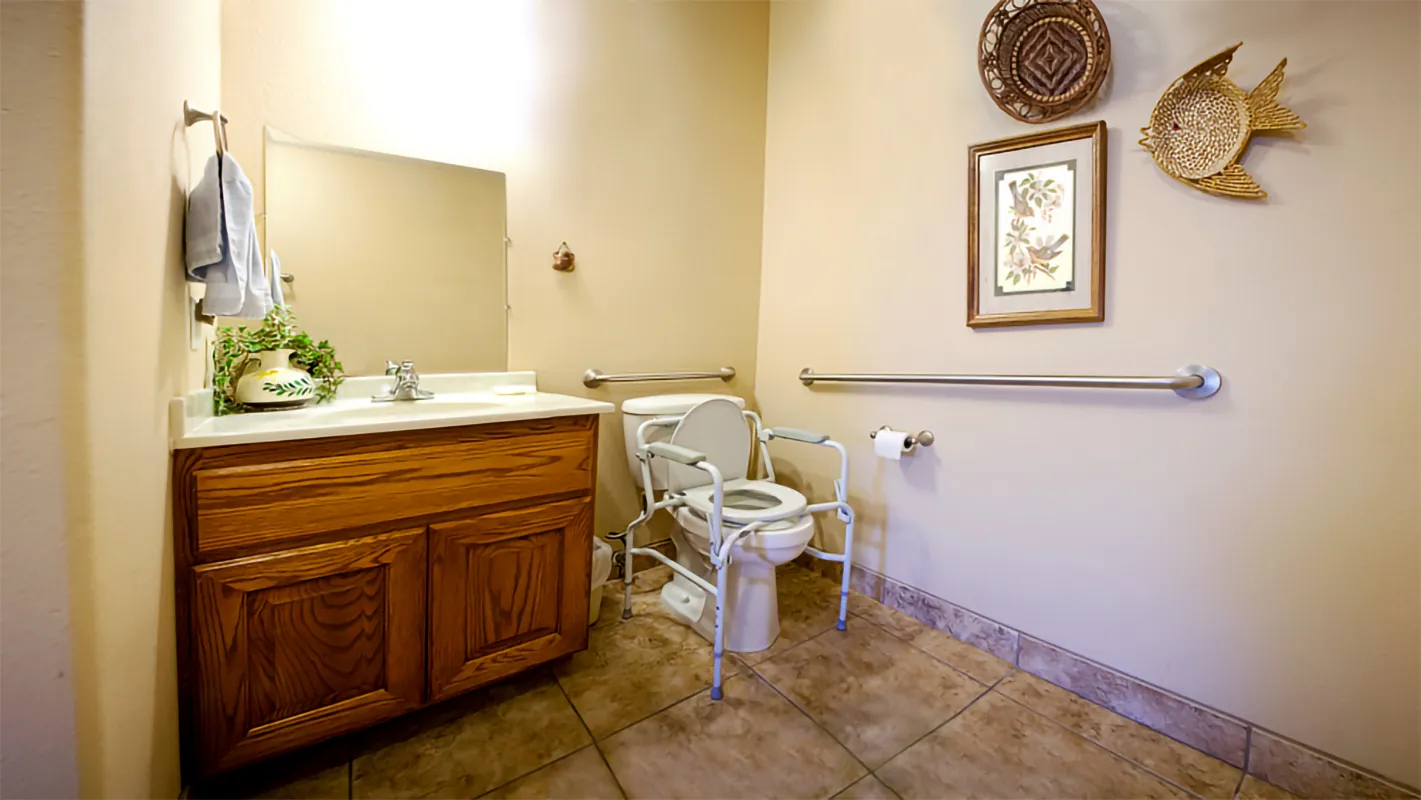
I have seen homes make clever, modest changes that improve things drastically: wall-mounted grab bars in sensible locations, handheld showerheads, steady shower chairs, non-slip flooring, and simple personal privacy options like an additional bathrobe hook and a warm towel ready before the resident disrobes. Bathing then feels less like a clinic procedure and more like being taken care of at home.
When touring, take a look at the bathroom in fact utilized for bathing, not the best guest bath. Is there space for two individuals if someone needs more help? Can a wheelchair turn safely? Do you see soap, hair shampoo, and lotion that match what homeowners like, or just generic item bought in bulk?
Handling worry, pain, and dementia
In memory care or amongst residents with dementia, bathing can be among the most difficult jobs. You might see what looks like stubborn rejection, however typically it is fear, confusion, or discomfort that the individual can not articulate.
What separates competent caregivers from those who simply "do the job" is their ability to slow down and flex. Maybe Ms. Lopez, who has arthritis, resists showers due to the fact that the water pressure hurts and the air feels cold on her joints. A warm washcloth bath at the sink on difficult days, done gently while talking about her grandchildren, might keep her just as clean with far less distress.
I have actually seen caregivers turn things around with simple adjustments: cleaning hair on a various day from the shower, letting the resident hold a favorite towel over their chest for modesty, or playing a particular tune during bath time because it assists set a familiar rhythm. Small homes are particularly matched to this level of customization due to the fact that there are fewer completing needs and fewer strangers involved.
Dressing: more than placing on clothes
Dressing support is easy to undervalue. To family members focused on safety or medical conditions, clothes may appear insignificant. To the person receiving care, clothing is identity, dignity, and autonomy.
Supporting independence, not just efficiency
In a busy home, there is consistent pressure to move quicker. It is quicker for personnel to pull on someone's socks and secure their buttons. The issue is that each time we take over a step, the person gets less practice and might lose the ability faster. In expert elderly care, the goal must be to help the resident do as much as they can, as securely as they can, for as long as they can.
In small homes with consistent staffing, caregivers typically have a sense of the length of time somebody takes to dress and can factor that into the morning routine. For Mr. Carter, that might imply starting his day 30 minutes previously so he can overcome his own shirt buttons with client triggering. For Ms. Evans, it may mean establishing her clothing in natural order and offering steadying hands when she stands, however letting her guide the sleeves and pant legs.
You can often see this philosophy in action: homeowners may appear a little mismatched or wearing that cherished cardigan with torn cuffs, due to the fact that personnel selected autonomy over perfection.
Choosing the right clothing and adaptive options
Clothing decisions can cause genuine friction if not managed thoughtfully. Households sometimes bring complex attire or shoes with high heels due to the fact that "mom always wore these." Personnel then face a conflict between appreciating long standing preferences and preventing falls or pressure injuries.
A knowledgeable supervisor will meet households midway. Possibly the resident uses her dress shoes for short visits in the typical location, but has more secure, encouraging slippers with grippy soles for strolling assisted living and transfers. Or a preferred blouse is adjusted that closes with Velcro in the back while preserving the typical front buttons for appearance.
Adaptive clothing can be a big assistance, but it needs to be presented sensitively. Tear away pants for incontinence or open back tops for people who spend the majority of the day seated are useful, yet they can feel demeaning if they are the only choices. I motivate families to evaluate a couple of pieces at home before a relocation, or present them gradually throughout respite care remains so the individual has time to adjust.
Cultural and personal style
Small homes that do this well pay attention to cultural and personal standards. A resident who has always used a headscarf or turban need to not need to argue about it, even if a staff member finds it unknown. Someone who cared deeply about fashion and makeup might feel lost if every day becomes sweatpants and a sweatshirt.
Good caregivers notice and lean into these details. They may use to paint nails on a Sunday afternoon, set out a preferred tie for household visits, or keep an eye on elastic waistbands that have ended up being too tight because the resident has gained a little weight.
Dressing is where small, human gestures accumulate into a sense of self. When evaluating a home, do not simply look at the published care strategy. Take a look at the citizens. Do they appear like distinct people with distinct styles, or does everybody appear dressed from the very same bulk order?
Dining: nutrition, security, and pleasure
Food is the highlight of the day for lots of citizens. It is likewise one of the hardest aspects of care to solve in time. Physical changes in taste, odor, digestion, and swallowing hit staffing patterns, budgets, and regulative expectations.
Small homes have a huge benefit here if they in fact prepare, rather than depend on heat-and-serve frozen meals. The smell of breakfast on the range, the noise of a pot being stirred, and the sight of somebody setting out placemats in a typical sized dining-room all signal comfort.
Balancing medical diet plans and genuine appetites
Older grownups typically bring a long list of dietary constraints into assisted living or other senior care settings. Low salt, diabetic diet plans, fluid limitations, thickened liquids, renal diet plans for kidney illness, or mechanical soft and pureed textures for swallowing issues are common.
In theory, each constraint is essential. In real life, stacking them all often leaves a plate that looks uninviting and barely eaten. Weight loss and frailty can be a higher immediate danger than the long term consequences of a more liberalized diet.
A thoughtful technique involves real collaboration in between the medical care company, the home's manager, and the resident or household. For an 88 years of age with diabetes who keeps reducing weight, it might be affordable to prioritize appetite and pleasure, monitoring blood sugar level however enabling favorite foods in regulated parts. On the other hand, for a resident with innovative cardiac arrest who is constantly short of breath, staying within sodium limits might be vital to prevent repeated hospitalizations.
What I try to find in a small home is not one "best" policy however the capability to explain why they are doing what they are doing for each person, and how they keep track of for issues such as choking, aspiration pneumonia, or fast weight change.
The physical and social side of meals
The physical setup of the dining area in a small home shapes both cravings and safety. Tables at a suitable height for wheelchairs, sturdy chairs with arms, great lighting, and affordable sound levels all matter. So does flexibility. Some homeowners like a predictable seat among the same 3 tablemates. Others need to sit nearer the kitchen area where they can see food cooking to stimulate appetite.
Small homes can respond more fluidly than large assisted living facilities when someone's capabilities alter. If a resident starts needing more help with cutting meat, a caregiver can frequently sit beside them and help in the moment. If Mrs. Nguyen eats very slowly but delights in lingering at the table, personnel can clear meals from others and keep her business with a cup of tea rather than hustling her along to fulfill a stiff schedule.
Socially, meals are one of the most powerful tools to minimize isolation. In a well run home, personnel sit and eat with locals at least periodically rather than hovering at the edges. Discussions specify and considerate, not baby talk. You hear stories about past holidays, grandchildren, old jobs and travels, not just "time to consume" and "take another bite."
Texture, swallowing, and dementia
Swallowing problems are common and frequently under recognized. Coughing with sips of water, swiping food in the cheeks, or taking a very long time to finish meals can all be indications of dysphagia. In small homes, caretakers tend to observe modifications rapidly, however they may not always understand what to do next.
The finest homes partner with speech therapists or dietitians who can suggest appropriate texture adjustments, teach personnel safe feeding methods, and reassess regularly. Thickened liquids, for example, can decrease goal threat for some individuals, but many residents do not like the texture and drink far less, which can cause dehydration and urinary issues. There is no alternative to individualized assessment.
For homeowners with dementia, dining can become complicated. They may no longer recognize utensils, consume from a neighbor's plate, or forget they just ate. Staff in small memory care homes often use visual hints such as contrasting plate colors, providing finger foods that can be gotten easily, and providing one or two food items at a time to prevent overload. These strategies are practical and low expense, yet they require persistence and personnel who are not rushed.
How small homes organize staffing for ADLs
Behind every smooth bath, calmly supported dressing regular, and pleasant meal lies a staffing pattern that either fits truth or battles against it.
In homes that consistently stand out at ADL support, I tend to see:
- A steady core team. Familiarity is everything in intimate care. Residents are less anxious, and staff pick up quickly on subtle modifications such as a new trembling or a various way of walking that hints at pain or infection.
- Thoughtful scheduling. Early morning personnel levels match the busiest ADL duration, with versatility for citizens who wake earlier or later. Evenings are not so thinly staffed that undressing and bedtime feel rushed.
- Training that links jobs to results. Instead of mentor "how to provide a shower," excellent supervisors teach "how to protect skin integrity, decrease falls, and protect independence through bathing regimens," then connect those outcomes to examination outcomes and hospitalization rates.
- A culture where caregivers can speak out. When a frontline employee states, "Mr. Allen is taking a lot longer to chew, and he is coughing more," management takes that seriously and acts, rather than dismissing it as normal aging.
Small homes are especially vulnerable when staffing is too lean or turnover is high. One reputable caregiver leaving can interfere with relationships and routines. Families should ask not only about the staff ratio on paper, however about how typically shifts are covered by firm workers or brand-new hires who do not yet know the residents.
Working with families and respite care
Family participation can enhance or strain ADL assistance, depending on how interaction is handled. In my experience, the most resistant arrangements develop a shared understanding of what "good enough" looks like.
Setting realistic expectations
Families often arrive with perfects that are difficult to sustain. Daily complete showers for somebody with advanced dementia, elaborate attires with several layers and tricky fasteners, or entirely different customized meals 3 times a day for one resident in a small home kitchen prevail examples.
A professional manager will carefully ground those expectations in the practicalities of elderly care. They might explain, for instance, that a compromise of 3 showers each week plus everyday sponge baths supplies good hygiene without tiring the resident or monopolizing personnel time. Or they might recommend a pill wardrobe of comfortable, mix and match clothes that still reflects the individual's style.
Clear interaction matters most throughout the first weeks after a move or throughout respite care stays. This is when regimens are being evaluated and changed. Short, focused updates on how bathing, dressing, and eating are going can expose inequalities rapidly. For instance, if the home reports repeated rejections to bathe, a relative may share that dad always chose a late night shower, not an early morning one, providing personnel a straightforward solution.
Using respite care to test the fit
Respite care in a small home provides a powerful method to see how ADL support feels in reality rather than on a tour. A a couple of week stay lets everyone trial:
- How comfy the resident feels with caretakers during bathing and toileting.
- Whether dressing regimens align with their energy patterns.
- How well they consume in a new environment and whether any habits modifications emerge around meals.
Families ought to treat respite not as a vacation from alertness, however as a chance to observe and tweak. Ask the resident, in their own words if possible, how they felt about shower assistance, whether they liked the food, and if they felt hurried or respected. Ask personnel what worked well and what they would change if the stay became long term. This shared feedback loop typically results in a much smoother transition if a long-term move later becomes necessary.
Red flags and green flags when you visit
A tour or a short visit can not reveal whatever, but some signs are remarkably reputable indicators of how bathing, dressing, and dining are managed behind the scenes.
Consider this short guide to concerns that open useful conversations:
- How do you choose how frequently someone bathes, and how do you handle it if they refuse?
- Who normally helps with showers and toileting, and the length of time have they worked here?
- What time do most locals get up, get dressed, and go to sleep? Just how much can that differ by person?
- How do you manage unique diet plans or swallowing issues? When was the last time you sought advice from a dietitian or speech therapist?
- If I came back unannounced at 8 AM or 7 PM, what would I see homeowners and staff doing?
Listen carefully not just for the content of the answers, but for whether staff speak about homeowners with respect and specificity. Unclear replies such as "everybody is tidy and fed" recommend a job focused mentality. Particular, individual focused responses, even when they confess restrictions, are a strong green flag.
Bringing everything together
Bathing, dressing, and dining might appear like standard checkboxes on an evaluation form, however in real life they comprise the material of every day in an elderly care setting. Small homes have the prospective to deliver incredibly humane, versatile ADL assistance, thanks to their scale and the intimacy of their regimens. That potential is understood just when management, staffing, the physical environment, and household cooperation all line up.
For households weighing senior care choices, paying cautious attention to these three areas will expose far more about quality than any pamphlet or online rating. Spend time in the typical areas. Inquire about the mundane information. Notification how people look and sound in the middle of normal tasks.
If your loved one leaves feeling clean without feeling exposed, dressed like themselves rather than a healthcare facility client, and really satisfied after meals, you are likely in a location where the basics of assisted living are handled with the care and competence they deserve.
BeeHive Homes of Taylor Ranch provides assisted living care
BeeHive Homes of Taylor Ranch provides memory care services
BeeHive Homes of Taylor Ranch provides respite care services
BeeHive Homes of Taylor Ranch supports assistance with bathing and grooming
BeeHive Homes of Taylor Ranch offers private bedrooms with private bathrooms
BeeHive Homes of Taylor Ranch provides medication monitoring and documentation
BeeHive Homes of Taylor Ranch serves dietitian-approved meals
BeeHive Homes of Taylor Ranch provides housekeeping services
BeeHive Homes of Taylor Ranch provides laundry services
BeeHive Homes of Taylor Ranch offers community dining and social engagement activities
BeeHive Homes of Taylor Ranch features life enrichment activities
BeeHive Homes of Taylor Ranch supports personal care assistance during meals and daily routines
BeeHive Homes of Taylor Ranch promotes frequent physical and mental exercise opportunities
BeeHive Homes of Taylor Ranch provides a home-like residential environment
BeeHive Homes of Taylor Ranch creates customized care plans as residents’ needs change
BeeHive Homes of Taylor Ranch assesses individual resident care needs
BeeHive Homes of Taylor Ranch accepts private pay and long-term care insurance
BeeHive Homes of Taylor Ranch assists qualified veterans with Aid and Attendance benefits
BeeHive Homes of Taylor Ranch encourages meaningful resident-to-staff relationships
BeeHive Homes of Taylor Ranch delivers compassionate, attentive senior care focused on dignity and comfort
BeeHive Homes of Taylor Ranch has a phone number of (505) 302-1919
BeeHive Homes of Taylor Ranch has an address of 6004 Whiteman Dr NW, Albuquerque, NM 87120
BeeHive Homes of Taylor Ranch has a website https://beehivehomes.com/locations/taylor-ranch/
BeeHive Homes of Taylor Ranch has Google Maps listing https://maps.app.goo.gl/VjePfgdypFLUTXAZ6
BeeHive Homes of Taylor Ranch has Instagram page https://www.instagram.com/beehivealbuquerquewest
BeeHive Homes of Taylor Ranch has an TikTok page https://www.tiktok.com/@beehivehomesalbuq
BeeHive Homes of Taylor Ranch has an YouTube page https://www.youtube.com/@hamiltonshives4468
BeeHive Homes of Taylor Ranch won Top Assisted Living Homes 2025
BeeHive Homes of Taylor Ranch earned Best Customer Service Award 2024
BeeHive Homes of Taylor Ranch placed 1st for Senior Living Communities 2025
People Also Ask about BeeHive Homes of Taylor Ranch
What is BeeHive Homes of Taylor Ranch Living monthly room rate?
Our base rate is $6,900 per month. We do an assessment of each resident's needs prior to move-in, so each resident's rate may be slightly higher. However, there are no "a la carte" charges or hidden fees. We do charge a one-time community move-in fee of $2,000
Does Medicare or Medicaid pay for a stay at Bee Hive Homes?
Medicare pays for hospital and nursing home stays, but does not pay for assisted living as a covered benefit. Some assisted living facilities are Medicaid providers, but we are not. We accept private pay, long-term care insurance, and we can assist qualified Veterans with approval for the Aid and Attendance program
Do we have a nurse on staff?
We do have a nurse on contract who is available as a resource to our staff but our residents' needs do not require a nurse on-site. We always have trained caregivers in the home and awake around the clock
What can you tell me about the food at Bee Hive?
You have to smell it and taste it to believe it! We use dietitian-approved menus with alternates for flexibility, and we can accommodate needs for different textures and therapeutic diets. We have found that most physicians are happy to relax diet restrictions without any negative effect on our residents
Do we allow pets?
We do allow small pets as long as the resident is able to care for them. State regulations also require that we have evidence of current immunizations for any required shots
Where is BeeHive Homes of Taylor Ranch located?
BeeHive Homes of Taylor Ranch is conveniently located at 6004 Whiteman Dr NW, Albuquerque, NM 87120. You can easily find directions on Google Maps or call at (505) 302-1919 Monday thru Sunday: 10:00am to 7:00pm
How can I contact BeeHive Homes of Taylor Ranch?
You can contact BeeHive Homes of Taylor Ranch by phone at: (505) 302-1919, visit their website at https://beehivehomes.com/locations/taylor-ranch/ or connect on social media via Instagram Facebook or TikTok
Santa Fe Village Park offers a peaceful outdoor setting where families connected with Assisted living memory care senior care elderly care and respite care can enjoy fresh air and meaningful time together.